Another day of brewing…

I just knocked out my 2nd annual gallon of espresso cordial. It won big at the Bridge Birthday drinking, I mean, Brewing Contest, also known as “Pickle the Baron.” The recipe is proprietary, sorry, folks. šŸ˜‰

The original name of it was “Dark, Dirty, and Whipped,” but I think I’m changing it to “Auntie Anna’s Award-Winning Marriage Proposal Juice” or something along those lines, as I have never been offered hands in marriage by so many people at once.

I also tried a new sekanjabin recipe today, and this is a Pomegranate Balsamic variant. The redaction is below:

2 cups of POM juice
1 cup water
1 cup balsamic vinegar (NOTĀ vinaigrette! That’s dressing. LOL.)
4 cups of sugar

boil together for a half hour, cool, and bottle. Easy, peasy, tasty. The color is a dark burgundy/brown, and the flavor is very caramely and almost tea in nature from the balsamic, plus the juice. It’s very sweet, but I can see it being VERY nice on a hot day in ice cold water. So this will be popular at Pennsic.

So I now have 4 full sekanjabin recipes I can easily produce. Ā However, the boyfriend does not enjoy it that much, so I can’t take over my kitchen with bottles of syrup, lol. I guess I’ll have to take my time with them, though I STILL want to try cinnamon with apple cider vinegar. šŸ˜‰

Rose Sekanjabin video.

I made rose sekanjabin for the first time today, so I documented it by video. Sekanjabin is a syrup with origins in Medieval Persia. It’s typically made with mint, but a variety of substitutions can be made. In this case, I used dried roses, since I have way too much for my wine.

The video will take you through the steps, but here’s the recipe:

2 1/2 cups of homemade rosewater (I boiled 4 cups of dried rose petals and buds in 3 cups of water. I had to add more water a couple of times to get the right amount.)
4 cups of granulated sugar
1 cup of white wine vinegar

Combine ingredients and boil for a half hour. Let cool. Syrup keeps indefinitely in a bottle without refrigeration.

How to make Rose Sekanjabin Syrup from Anna Dokeianina Syrakousina on Vimeo.

Roman pork, success!

Despite 3-4ft snow drifts, unplowed roads, and a treacherous walk across my neighborhood to find a ride in a 4×4 Jeep to the event, I successfully cooked and fed my version of Minutal Ex Praecoquis from Apicius! The dish won best meat at Feast of the Gaunt Days, and my prize was a dried pig’s ear. LOL.

Here’s some pics of the process. The recipe is at this post here.

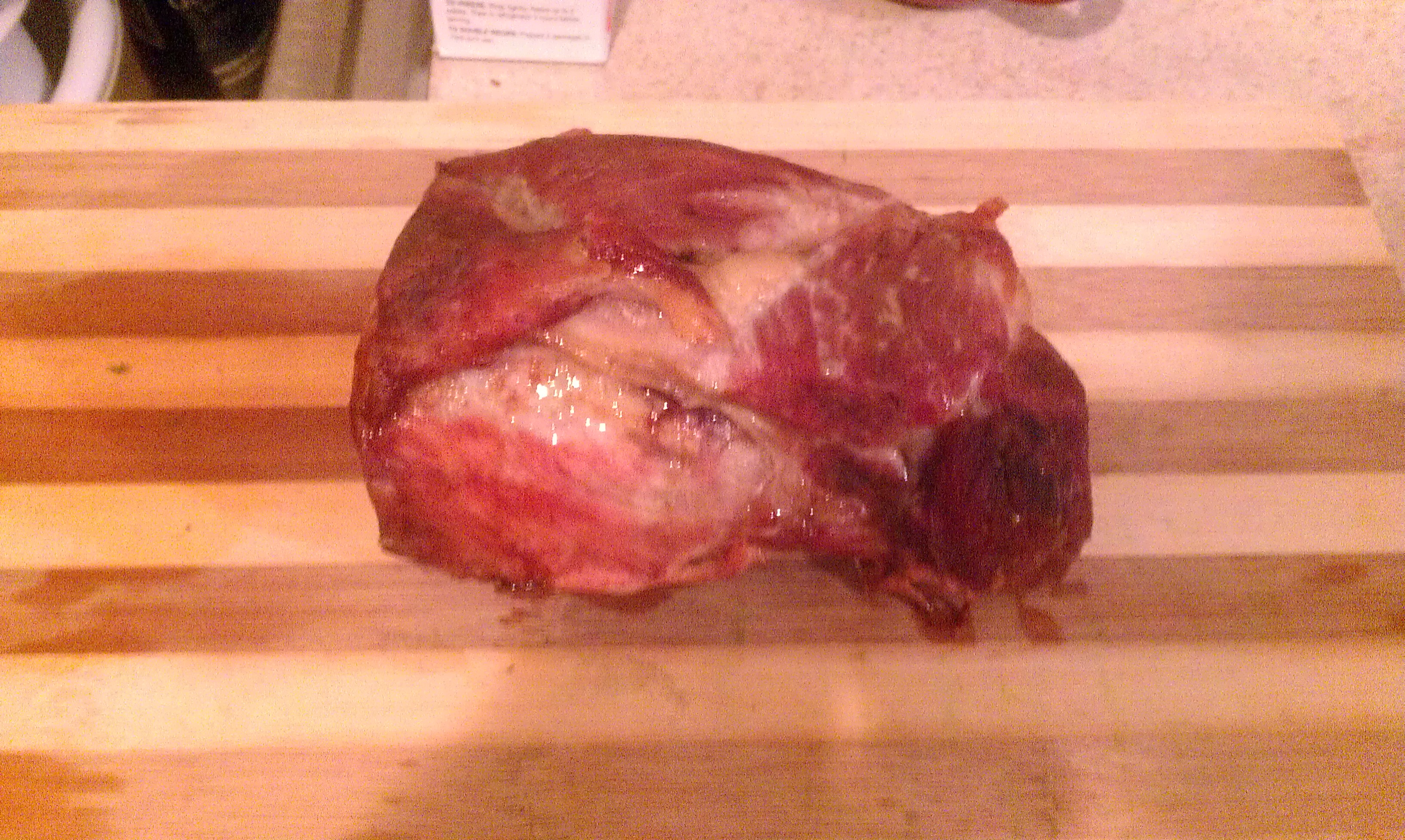
Pork roast, after being roasted.

Cubed. Gods, I love my new kitchen knives. It’s nice not flying at Christmastime.

Passum: A white wine and honey reduction sauce. The honey surprisingly mellowed the flavor of the moscato.

Cooking the pork with the broth ingredients that included scallions, wine, oil, and the Roman staple: fish sauce. When this started cooking, the aroma reminded me of Asian cooking, like a Wonton soup.

The sauce contents: aromatic spices, more fish sauce, the passum, vinegar, and honey. When this boiled, the house went from aromatic to, “What IS that vile smell?!” Oy, too much fish sauce! But it mellowed!

The finished product with the sauce, fruit, and panko added to theĀ casserole. Ā I used A LOT of panko to bind it together, but that could be adjusted depending on how soupy one would want it.

The flavor at first was very salty. I thought I had borked it for good, but, the half hour drive to the site and some time on the chafing dish helped the flavors meld, resulting in quite a tasty meal! I got many compliments, including some from some well seasoned medieval cooks who asked for the recipe. They were quite surprised to find out this was my first attempt!

I’ll be trying this again when I have access to fresh fruits come the summer. It will provide a completely different experience, I’m sure.

So I’m cookin’ sumthin.

I’m not a cook. I have some knowledge of how a stove and microwave works and therefore have the ability to feed myself. Sometimes, I can be rather gourmet, but usually it’s just grilled cheese and canned soup.

Welp, this weekend in my barony, we are having a cooking event called Feast of the Gaunt Days, based on food that would have been made during the fallow months. Rome wasn’t really a victim of the seasons as much as the rest of Europe was, but, they still had to make substitutions when foods were out of season, such as fruits. I have no idea why I chose this recipe other than it sounded tasty, but, it did require seasonal adaptations. Dried fruits that had to be reconstituted, for example, rather than fresh. Scallions instead of shallots, as the period term is interchangeable as they were easier to find.

The cooking begins tomorrow night with the pork, but here is my redaction thus far. Pics will be coming as I finish this project:

ā€œMinutal ex Praecoquisā€ from Apicius’ De Re Coquinaria
A Roman Fruit and Pork Fricassee
attempted so boldly by Kyria Anna Dokeianina Syrakousina for Feast of the Gaunt Days
February 10, 2013

Original Recipe

Minutal ex praecoquis: adicies in caccabum oleum, liquamen, vinum, concides cepam ascaloniam aridam, spatulam porcinam coctam tessellatim concides. his omnibus coctis teres piper, cuminum, mentam siccam, anethum, suffundis mel, liquamen, passum, acetum modice, ius de suo sibi, temperabis, praecoqua enucleata mittis, facies ut ferveant, donec percoquantur. tractam confringes, ex ea obligas. piper aspargis et inferes.

Translation: In a cooking pot, place olive oil, liquamen, wine, dry shallots, chopped, and a cooked leg of pork, cubed. When these are cooked, grind [together] pepper, cumin, dried mint and aniseed. Moisten with honey, liquamen, passum, a little vinegar and some of the cooking stock; mix thoroughly. Add the pitted fruits and bring to a boil; cook until they are tender. Break pastry into the dish to thicken, season with pepper and serve.

My redaction, partially based on the one listed at Celtnet.com

2.5lb Pork Roast, cooked and cubed (I rubbed it with sea salt before roasting for 3 hours at 300*F. I checked the meat constantly with a digital thermometer until an internal temp of 170F was achieved.)
4 tbsp olive oil
4 tbsp Thai fish sauce (Nam-pla) as a substitute for garum/liquamen
14oz pork or chicken stock
4oz moscato wine
3oz scallions, minced

For the Sauce:
generous pinch of black pepper
generous pinch of ground cumin
generous pinch of dried mint
pinch of ground aniseed
2 tbsp honey
8 Nam-pla
8 tbsp passum (Moscato wine and honey reduction)
2 tsp white wine vinegar
4oz pork cooking liquid
10 dried apricots, 10 dried dates, 10 dried figs, reconstituted in water, and quartered
Plain Panko crumbs to thicken

Combine pork, olive oil, nam-pla, stock, wine and scallions in a casserole dish. Transfer to an oven pre-heated to 170°C (330°F) and bake for 60 minutes, adding stock as needed. In the meantime prepare the sauce. Pound together the black pepper, cumin, mint and aniseed in a mortar then work in the honey, nam-pla, passum and white wine vinegar. Pour into a pan, add 4oz liquid from the casserole and bring to a boil. Add to the casserole for the final 15 minutes of cooking. Five minutes before you are ready to serve, add the fruits to the casserole and thicken with Panko.