In Vino Veritas Part III, and Artisanal Swapage.

Racked the wine to the secondary today. It’s fermenting like a madwoman. I probably could have let it go longer, but the boy needed the larger carboy for his beer that he’s working on today. Either way, I plan to leave it in this carboy now for at least a month before the clarifying process. I picked up another 1 gallon jug today as well, now I have 2, which will be important for when I do my separate infusions of the rose and resin. As of this point, I’m not thinking they will be ready for paneling at War of the Roses (Memorial Day weekend) so at the earliest I should have a drinkable product by Pennsic, and especially good next year, as I intend to age as much as possible. It is wine after all. Though the Romans did drink a lot of young wine. Mostly because it was the primary beverage of choice, and though there were period winos (Pliny most certainly one of them) that did enjoy ages wines, there is no harm in younger beverages.

I also signed up for the Nobelese Largesse swap today via Facebook. It’s a Knowne-World wide artisanal swap that requires documentation. I cannot post what I am doing or who I have or pictures until the gift is sent for obvious reasons, but I am looking forward to participating in this one. 🙂

I am also involved in the East Kingdom Artisanal Swap for my second round. That gift has been finalized, and I am working on getting everything together to complete it. My previous swap gift went to Konstantia Kaloethina in Calontir, the founder of the NL swap, and I made for her a Byzantine Superhumeral out of shot purple silk, with some amethyst and pearl beadwork. I left it plain since we had discussed prior to me even having her as a swap recipient that she wanted one to adorn with her award medallions, but did not know how to sew one for herself.

Konstantia's Superhumeral

I received in the swap a lovely wooden chest with my arms on it, and a couple of brass and bronze medallions from Sir Yessunge Altan, I was blown away.

Wooden Chest from Sir Yessunge.Medallions that came in the box.

You can see the type of work that goes into these swaps, this is why I’m so excited for NL, being limited to 40 participants, and worldwide. I do love a challenge!
Another day of brewing…

I just knocked out my 2nd annual gallon of espresso cordial. It won big at the Bridge Birthday drinking, I mean, Brewing Contest, also known as “Pickle the Baron.” The recipe is proprietary, sorry, folks. 😉

The original name of it was “Dark, Dirty, and Whipped,” but I think I’m changing it to “Auntie Anna’s Award-Winning Marriage Proposal Juice” or something along those lines, as I have never been offered hands in marriage by so many people at once.

I also tried a new sekanjabin recipe today, and this is a Pomegranate Balsamic variant. The redaction is below:

2 cups of POM juice
1 cup water
1 cup balsamic vinegar (NOT vinaigrette! That’s dressing. LOL.)
4 cups of sugar

boil together for a half hour, cool, and bottle. Easy, peasy, tasty. The color is a dark burgundy/brown, and the flavor is very caramely and almost tea in nature from the balsamic, plus the juice. It’s very sweet, but I can see it being VERY nice on a hot day in ice cold water. So this will be popular at Pennsic.

So I now have 4 full sekanjabin recipes I can easily produce.  However, the boyfriend does not enjoy it that much, so I can’t take over my kitchen with bottles of syrup, lol. I guess I’ll have to take my time with them, though I STILL want to try cinnamon with apple cider vinegar. 😉

Rose Sekanjabin video.

I made rose sekanjabin for the first time today, so I documented it by video. Sekanjabin is a syrup with origins in Medieval Persia. It’s typically made with mint, but a variety of substitutions can be made. In this case, I used dried roses, since I have way too much for my wine.

The video will take you through the steps, but here’s the recipe:

2 1/2 cups of homemade rosewater (I boiled 4 cups of dried rose petals and buds in 3 cups of water. I had to add more water a couple of times to get the right amount.)
4 cups of granulated sugar
1 cup of white wine vinegar

Combine ingredients and boil for a half hour. Let cool. Syrup keeps indefinitely in a bottle without refrigeration.

How to make Rose Sekanjabin Syrup from Anna Dokeianina Syrakousina on Vimeo.

Roman pork, success!

Despite 3-4ft snow drifts, unplowed roads, and a treacherous walk across my neighborhood to find a ride in a 4×4 Jeep to the event, I successfully cooked and fed my version of Minutal Ex Praecoquis from Apicius! The dish won best meat at Feast of the Gaunt Days, and my prize was a dried pig’s ear. LOL.

Here’s some pics of the process. The recipe is at this post here.

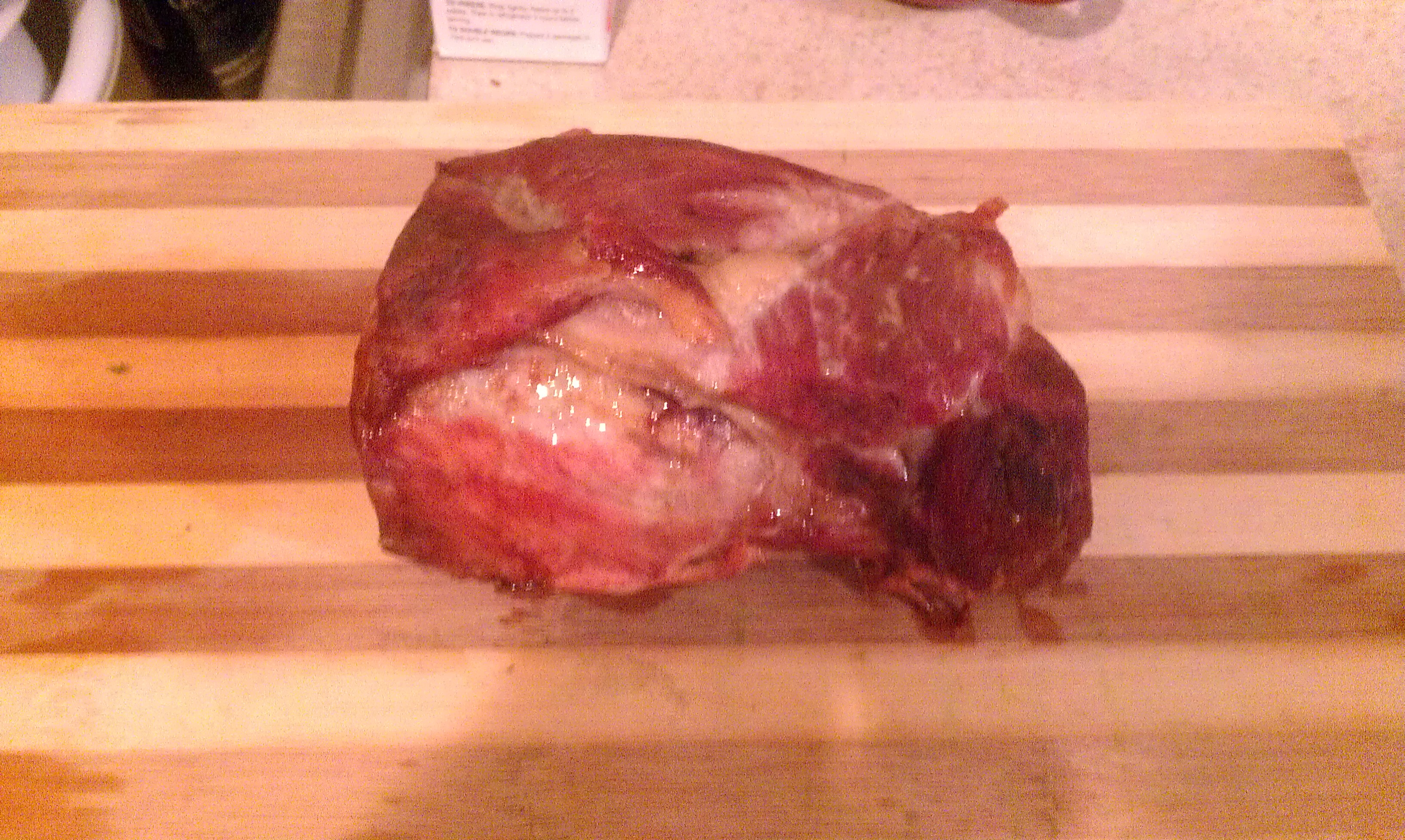
Pork roast, after being roasted.

Cubed. Gods, I love my new kitchen knives. It’s nice not flying at Christmastime.

Passum: A white wine and honey reduction sauce. The honey surprisingly mellowed the flavor of the moscato.

Cooking the pork with the broth ingredients that included scallions, wine, oil, and the Roman staple: fish sauce. When this started cooking, the aroma reminded me of Asian cooking, like a Wonton soup.

The sauce contents: aromatic spices, more fish sauce, the passum, vinegar, and honey. When this boiled, the house went from aromatic to, “What IS that vile smell?!” Oy, too much fish sauce! But it mellowed!

The finished product with the sauce, fruit, and panko added to the casserole.  I used A LOT of panko to bind it together, but that could be adjusted depending on how soupy one would want it.

The flavor at first was very salty. I thought I had borked it for good, but, the half hour drive to the site and some time on the chafing dish helped the flavors meld, resulting in quite a tasty meal! I got many compliments, including some from some well seasoned medieval cooks who asked for the recipe. They were quite surprised to find out this was my first attempt!

I’ll be trying this again when I have access to fresh fruits come the summer. It will provide a completely different experience, I’m sure.